
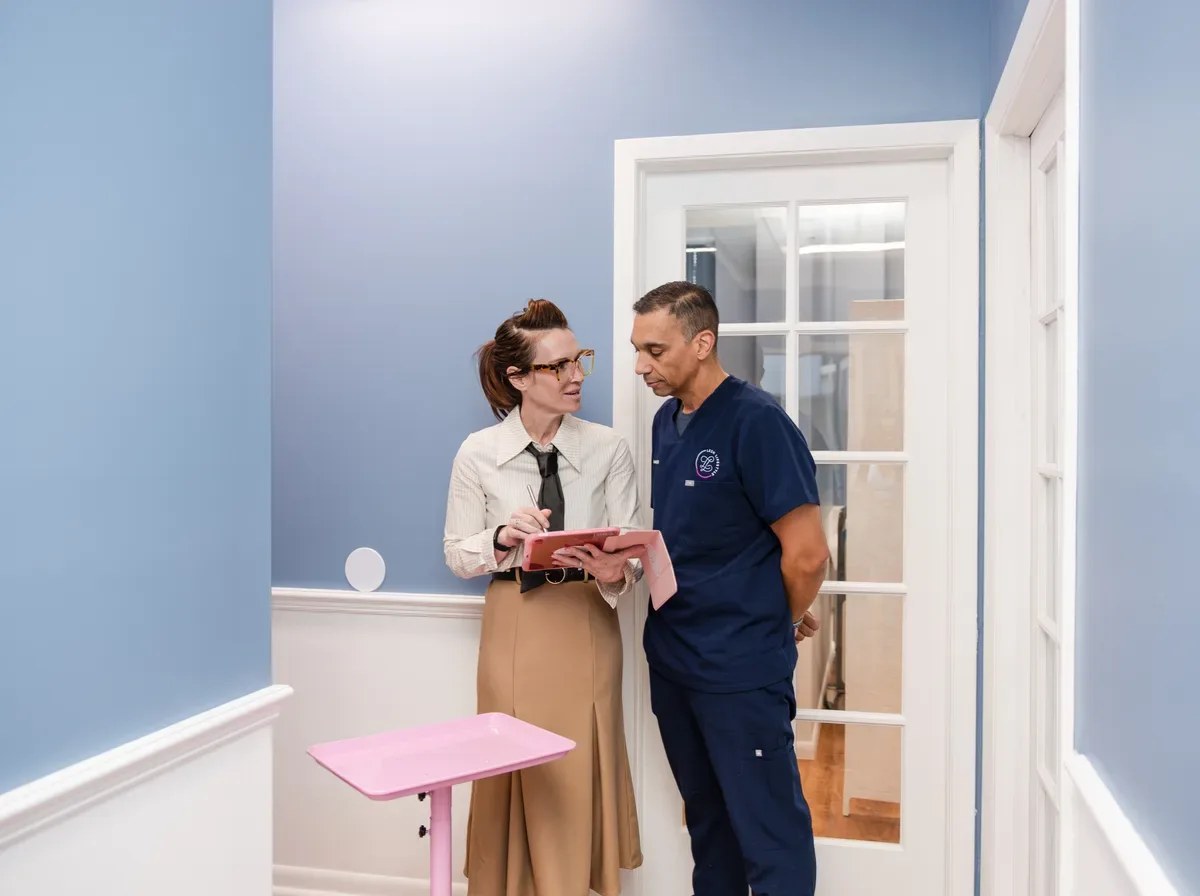
Dementia Risk & Brain Health
The dementia risk factors that may be addressed.
Dementia is the loss of thinking, remembering and reasoning to the point that it interferes with daily life. It becomes more common with age but is not a normal part of aging. Some risk factors cannot be changed. Others are health and lifestyle factors that may be addressed.
Dementia Risk & Brain Health
The dementia risk factors that may be addressed.
Dementia is the loss of thinking, remembering and reasoning to the point that it interferes with daily life. It becomes more common with age but is not a normal part of aging. Some risk factors cannot be changed. Others are health and lifestyle factors that may be addressed.
CONCERN & CAUSES
What brings patients in about dementia risk
Patients raise this in different ways. Some have a relative with Alzheimer's disease, and others have noticed changes in their own thinking. What the history and bloodwork cover follows from which applies.
01
A parent or sibling diagnosed
A relative diagnosed with Alzheimer's disease is one reason patients raise this. Age is the biggest known risk factor for Alzheimer's disease and cannot be changed, so the conversation turns to the factors that may be addressed.
02
Chronic health issues left unmanaged
Unmanaged chronic health issues such as high blood pressure sit on the NIA list of factors that may be addressed to support brain health. Researchers are also looking at the role of diabetes and obesity.
03
Cognitive change around menopause
Changes in thinking are commonly reported as women move through menopause. In the US SWAN study (2009), performance dipped during perimenopause and rebounded afterward, which suggests the difficulty may be time-limited. Findings across studies have been inconsistent.
04
Sleep, hearing and inactivity
Poor sleep, hearing loss, inactivity and alcohol misuse all sit on the NIA list of factors tied to brain health. The history covers them, and a doctor decides what is worth looking into further.
What this involves
Physician-led look at risk factors for adults in Sarasota
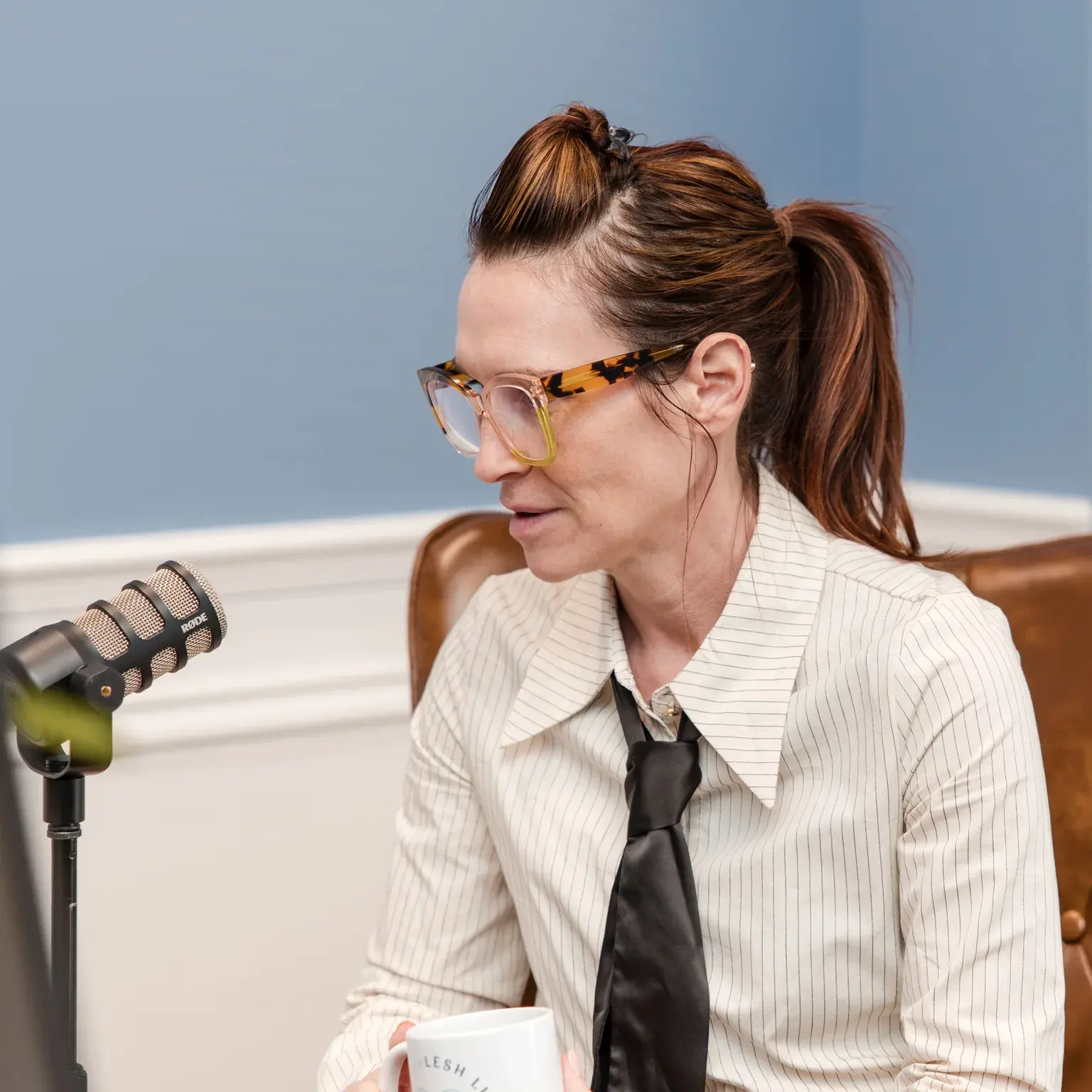
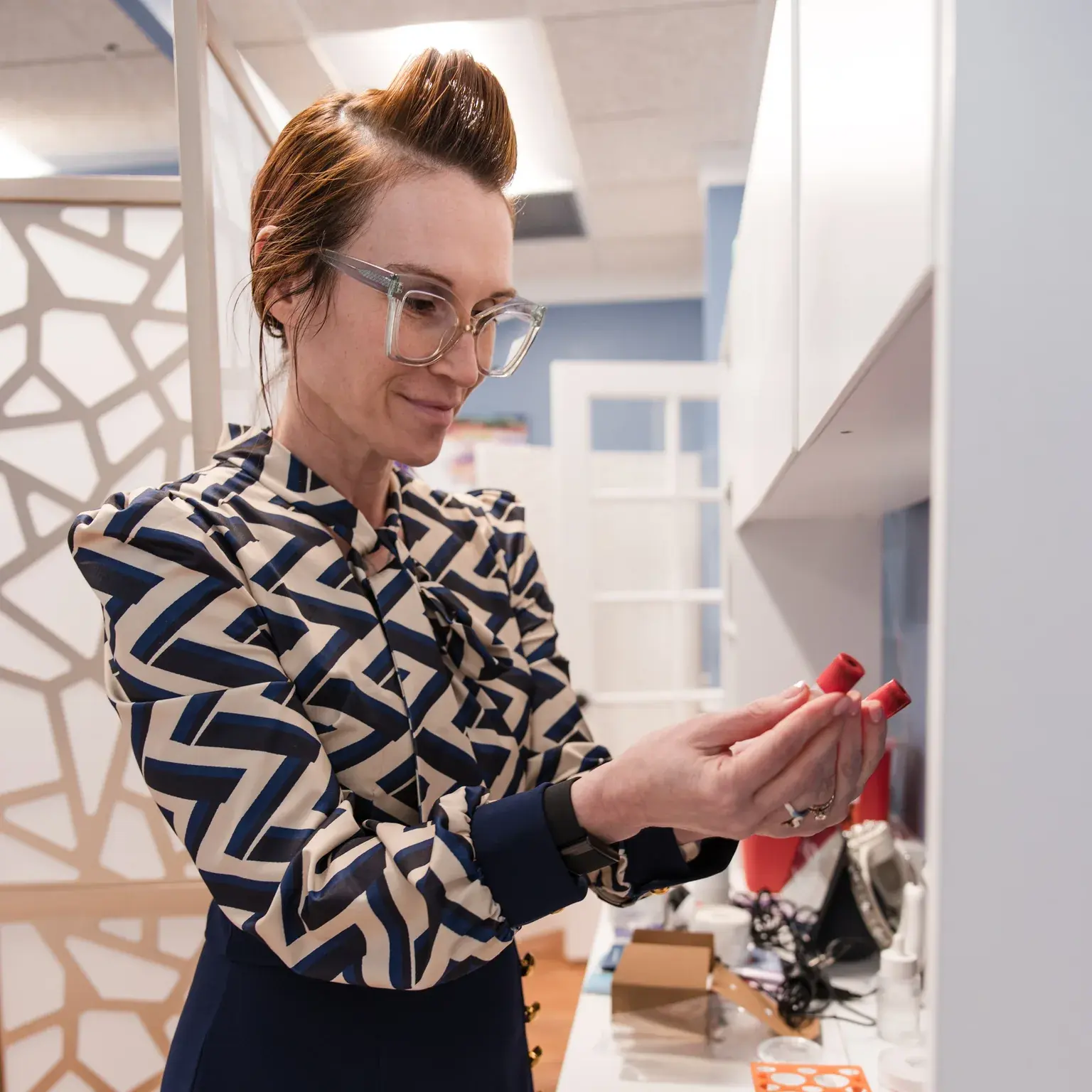
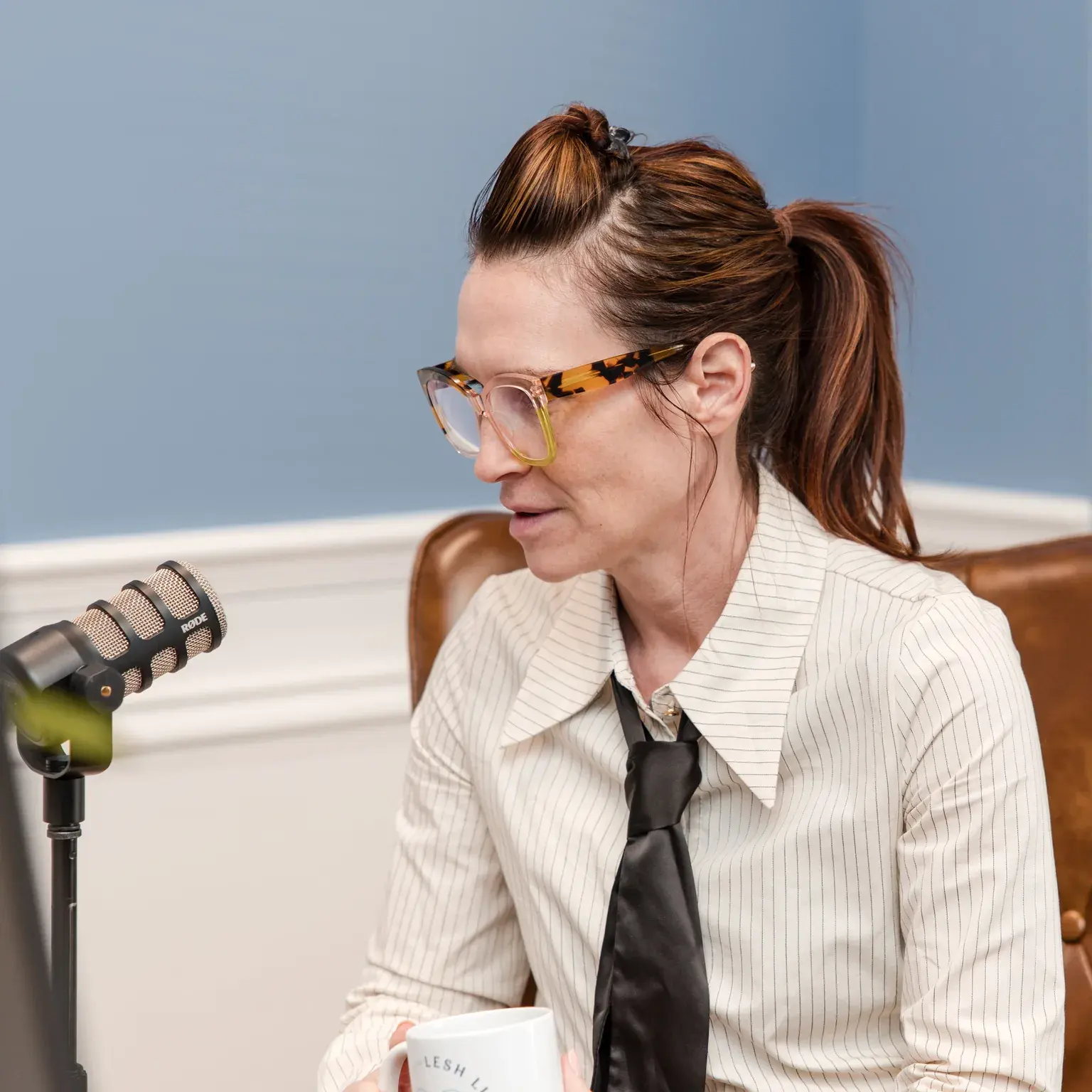
Dr. Sarah Secor-Jones, DO, FACEP reviews your complete medical background and lab work, so the conversation covers the factors that apply to you. She also holds a menopause certification through Dr. Heather Hirsch's program.
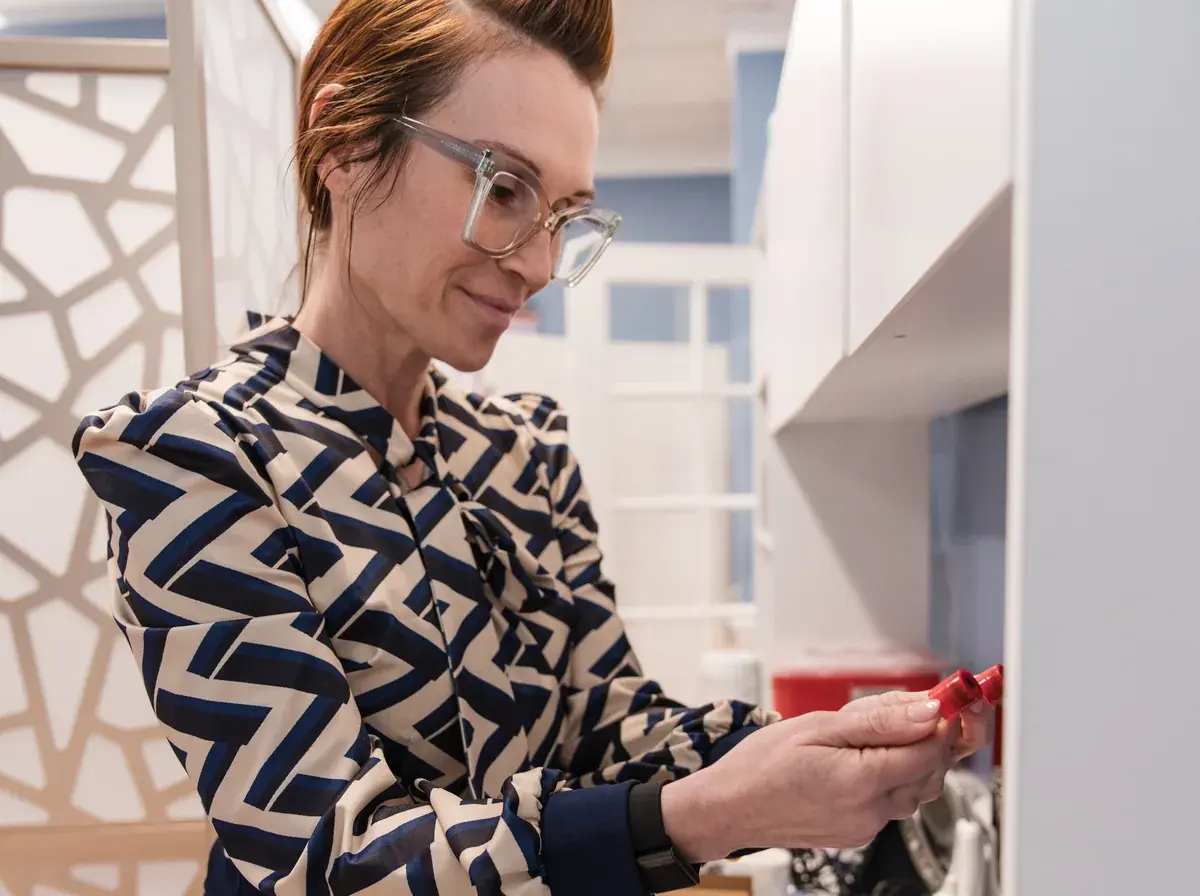
Longevity
A program built on your medical background and your lab work, existing or new.
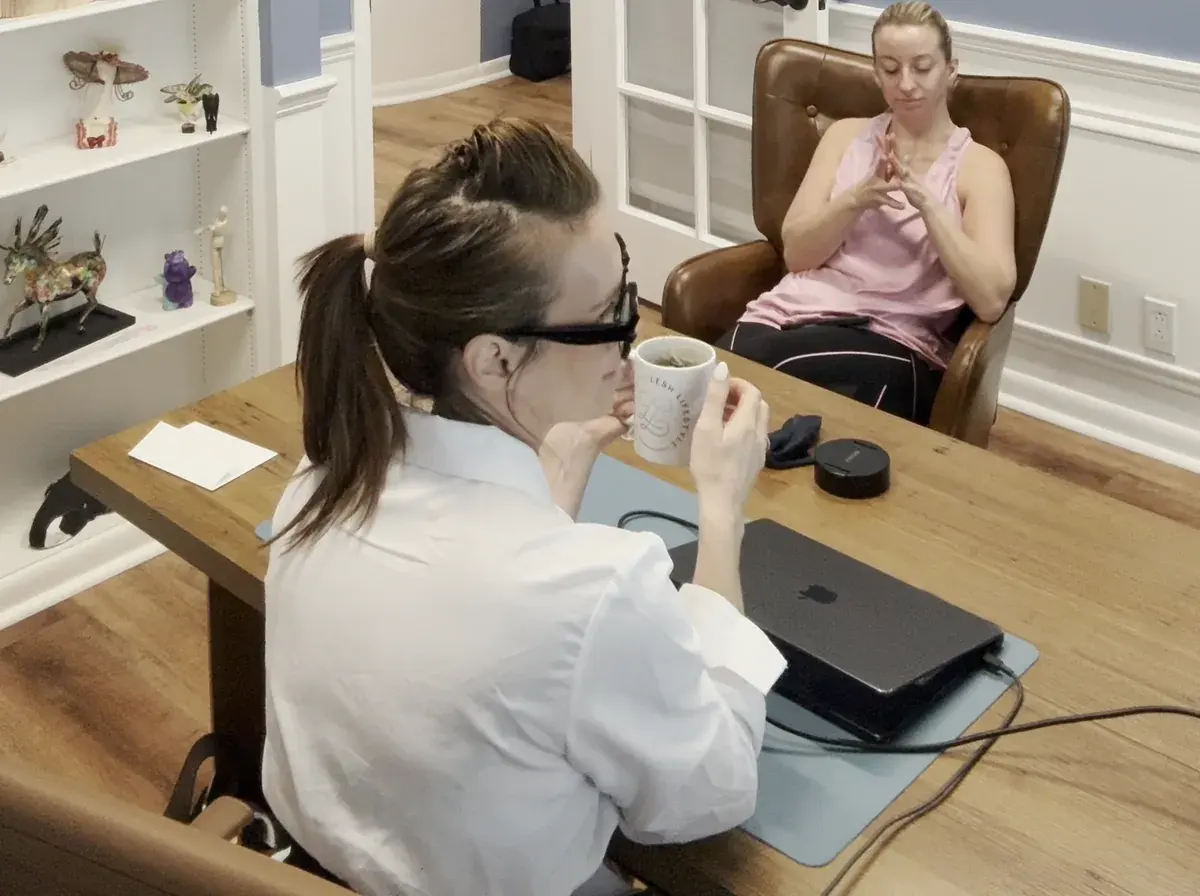
Bioidentical hormone therapy
Bioidentical hormone therapy is offered as part of menopause care at Lesh Lifestyle, with the plan set from your medical background and lab work.

Factors to address day to day
The factors below are the ones the NIA names as open to being addressed. Researchers cannot yet say that changing them prevents dementia, though doing so supports healthier living overall. Raise them at a follow-up visit.
Manage chronic conditions
Raise sleep problems
Move and lift weights
Mention hearing changes
Stay socially active

Your first visit is a conversation with a physician.
No referral needed. Telehealth in 10 states.
FAQ
Questions patients ask about
dementia risk factors
Age is the biggest known risk factor for Alzheimer's disease and cannot be changed. The NIA also lists unmanaged conditions such as high blood pressure and hearing loss, physical inactivity, unhealthy diet, alcohol misuse, smoking, poor sleep, social isolation and lack of mental stimulation.
No one can promise prevention. The NIA says promising strategies have been identified while nothing is yet proven, and it advises caution with pills, supplements and brain-training products sold as a way to prevent dementia.
Yes. The office is at 1800 2nd St #819, Sarasota, FL 34236, a short drive from Bradenton and Lakewood Ranch, and Siesta Key and Longboat Key sit within the same service area. Telehealth is available for eligible visits in ten states.
Many women report cognitive concerns during the menopausal transition, and testing has shown declines in some domains for some women. Results across studies have been inconsistent. Hormone therapy is not an established way to prevent dementia.
Lesh Lifestyle is an integrative medical practice, and this is a physician-led look at medical contributors to memory change.
What a relative's diagnosis can do is prompt an earlier conversation about the health and lifestyle factors open to being addressed, and about the chronic conditions worth managing now.
The comprehensive first appointment is $400 for 60 minutes, and the follow-up visit to go through your labs and plan is included in that fee. Labs can be submitted to insurance or paid cash.
Some patients feel reasonably well and want their bloodwork and history reviewed now. Others arrive with brain fog or broken sleep already, and the starting point is a full history either way.
Memory problems can stem from causes unrelated to dementia or normal aging, including thyroid, kidney or liver problems, medication side effects, depression and anxiety, sleep problems and low nutrient levels. A doctor can order tests to find the cause. Confusion or loss of memory can be a stroke symptom. At the first signs of a stroke, call 911 or seek urgent care right away.
It depends on what the labs find and what is being treated. The plan follows the conditions that can be treated, and it is reviewed with you at follow-up visits.